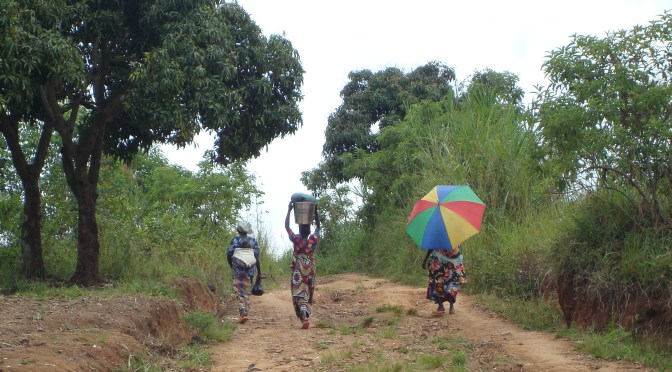
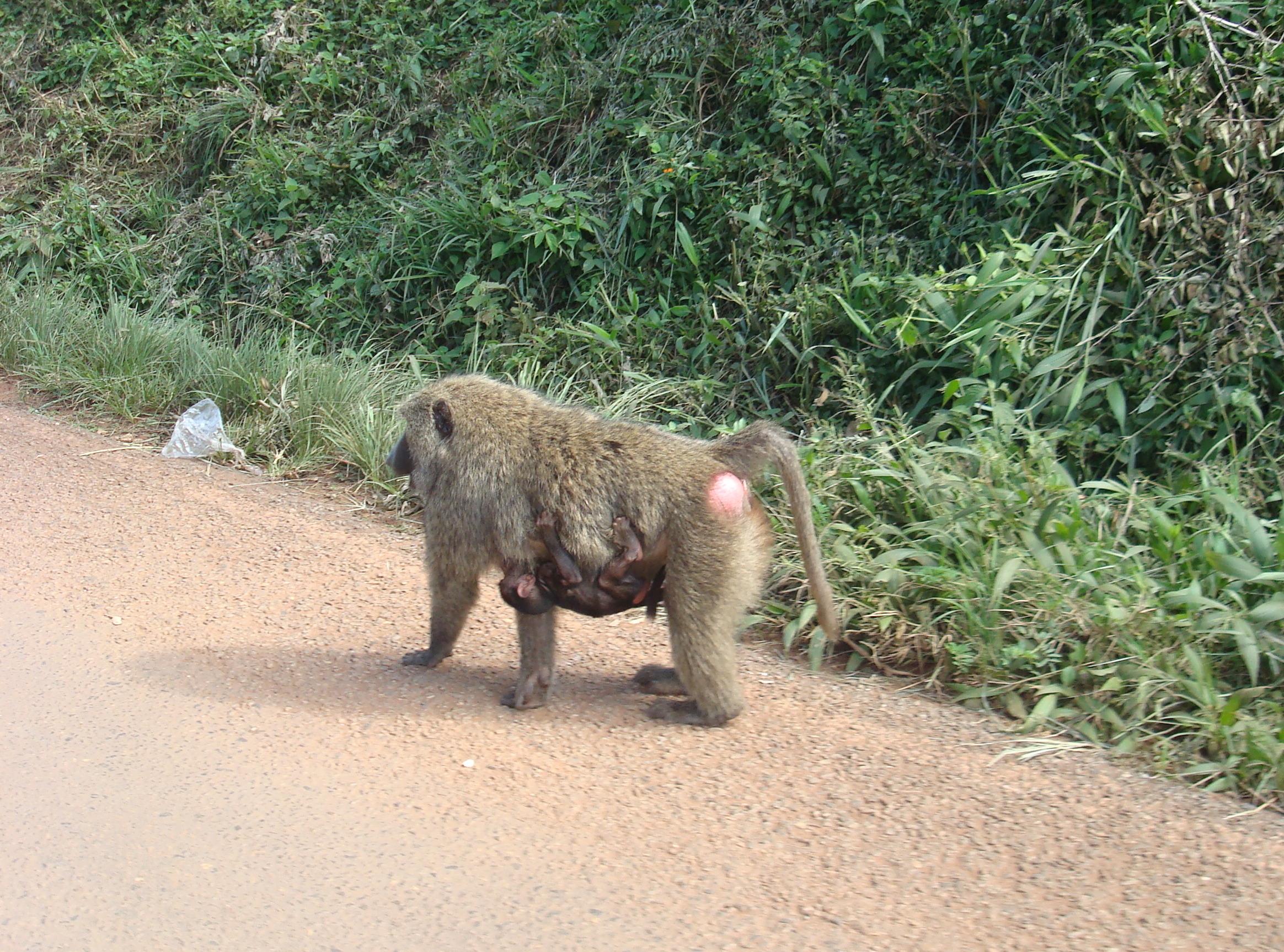
I had an epiphany last week: I am in (East) Africa! I know that this sounds obvious and ridiculous, but it really didn’t hit me until I had left the hustle and bustle of the city and been confronted by baboons and elephants on the road, and was able to watch the sun set over the savannah woodlands that made up the Ugandan landscape. I felt puny, insignificant and in awe.
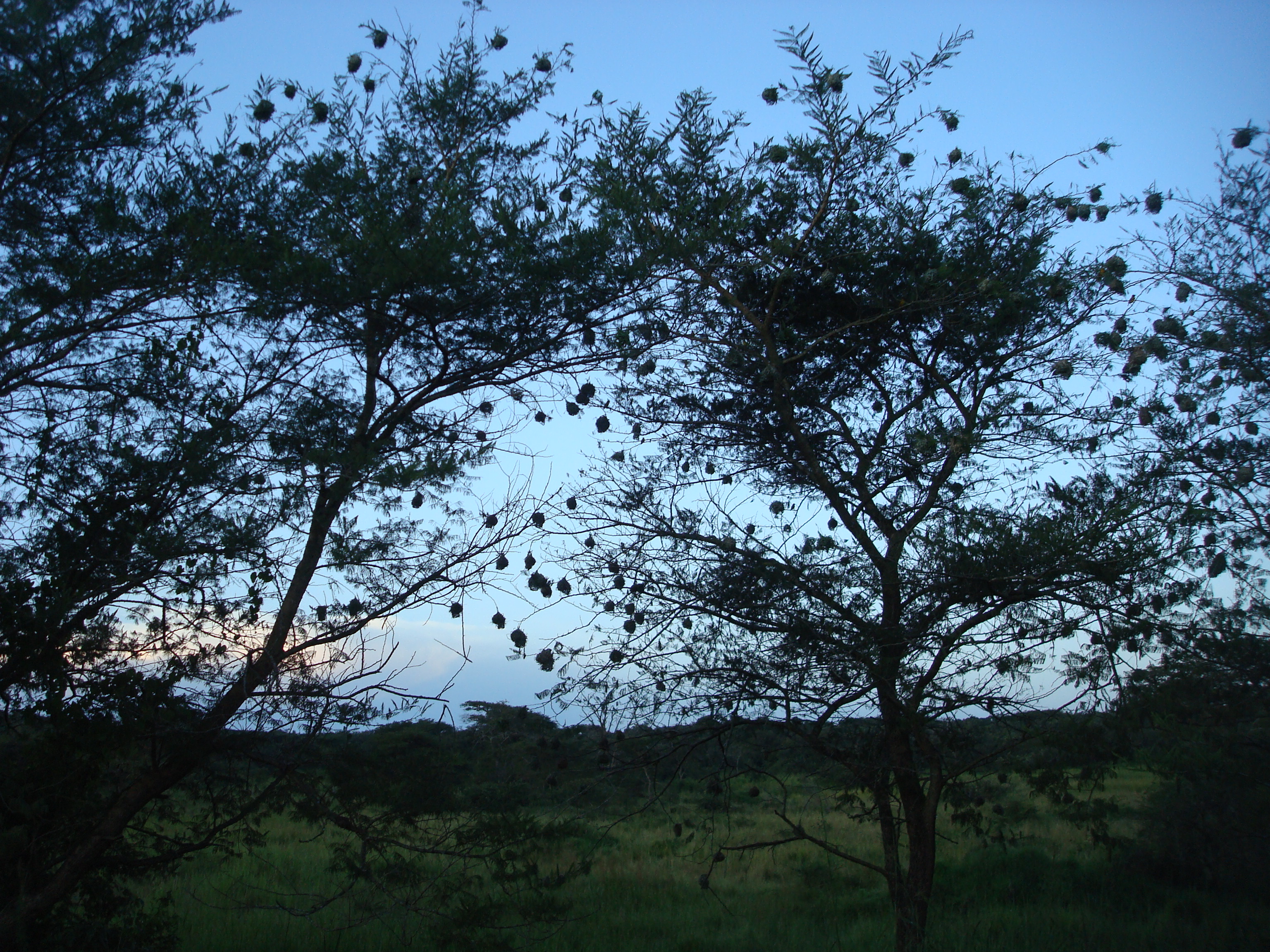
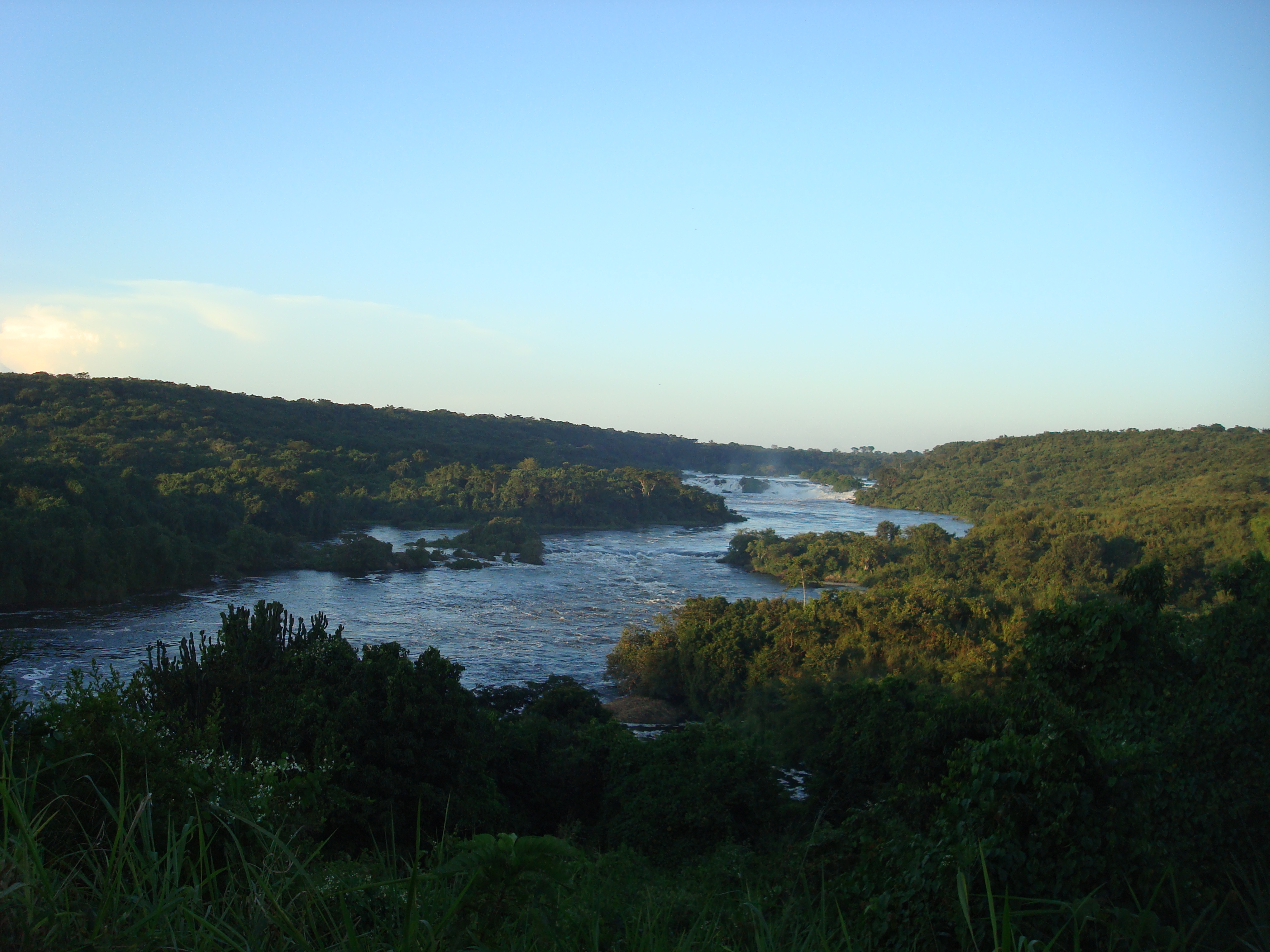
When you are in the city, it feels like you could be anywhere. Yes, race and culture will come into play, but when a city has a substantial expat population and has bee influenced by the global economy (aka global shrinkage) for long enough, the goods and services available, the city attitude and happenings, and the general pulse of the city seem almost universal. Cities and capitals of developing nations have a similar vibe to them. The real culture of a country is easiest observed in the rural areas.
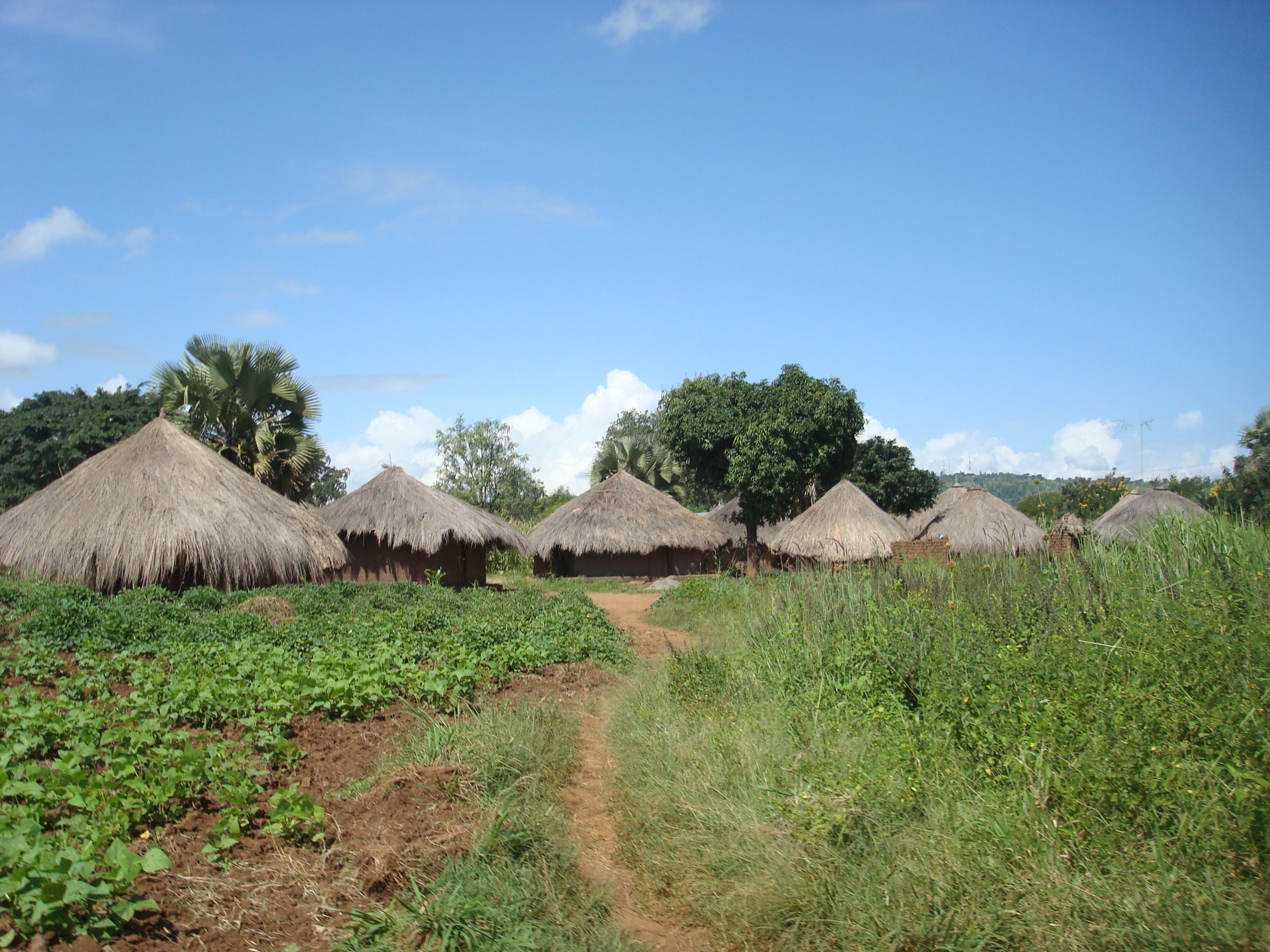
On the highway to Gulu, heading north of Kampala, the urban sprawl is quite extensive. It takes about an hour or more before you find significant areas void of buildings. And even once you are in the “rural” areas, eucalyptus and pine plantations dominate the scenery outside the window. There were a few times when I would wake up from a quick nap and feel disoriented, unsure of where I was until I became aware of the Ugandan music on the radio. It was only once we got closer to Murchison Falls National Park, that the true Ugandan landscape emerged: savannahs cluttered with acacia trees and shrubs, and traditional round houses made of mud and thatched roofs. This is the real Uganda and it is gorgeous.
After a month in Kampala, it was about time that I headed north, visit my project sites and meet my colleagues based in the field. For six months, I will be monitoring and evaluating environmental projects in agricultural communities: conservation farming, fuel-efficient cooking stoves and tree nurseries, all the while building the capacity of the field staff so the work can be sustained after I leave. It was an intense week, with Nebbi, Arua, Lira and Masindi all on the itinerary. It was an opportunity to meet the communities I will be working with and to see first hand what I will be working on for the next five months. At the end of the week, I also gave a workshop on monitoring and evaluation that seemed to be quite successful – it is currently being tested as all the participants are taking their new found knowledge and applying it in their communities.
Unfortunately, the trip started on a sour note, as we watched the majority of the baby tilapia fish we were carrying to a women’s group in Erussi, Nebbi District, succumbed to the stresses of long travel on bumpy roads, heat and low oxygen. It was a good plan, but poorly executed, as there were too many fish per bag, putting strains on the oxygen and water resources. It is a sad reality when there is a loss of resources (money) and life. It was a terrible way to start the trip, but it just got better from there.
The communities were friendly and beautiful. Although some of the projects appeared, at first glance, to be struggling a little, the people were hopeful and in general showed commitment to development. Considering many of these environmental programs were less than a year old, it is normal to encounter obstacles; overall, I was impressed with what I observed: at least 50% of the fuel-efficient cook stoves are being used, conservation farming has been steadily increasing in practice, and the youth are diversifying the trees and plant species grown and sold in their nurseries.
Of course, when you are in the field, I am confronted with the realities and hardship of development, and reminded why I chose this line of work in the first place: I was told a story about an Erussi woman who was in Nebbi town for market day (1.5 drive or quarter day walk) when she saw a man with a pig who looked a lot like her own. Sure enough, when she returned home the pig that was intended to pay for her children’s school fees was gone. Her husband sold it for drinking money. They argued and the next day she returned to Nebbi battered and bruised in hopes to report the incident to a women’s empowerment NGO. Sadly, these stories are more common than we would like to think; the point is that such incidences are slowly on the decline.
But there are cool stories, such as being so close to the Democratic Republic of Congo that your phone picks up the DRC networks rather than Uganda’s, or spotting elephants along the drive. Or the success stories of enterprising youth re-investing the profits of their tree nurseries to make chalk for the local schools so they don’t have to bring in chalk all the way from Kampala (4 hours drive one way), or the women who spend less time preparing meals for their families due to fuel-efficient stoves and can now earn money selling their vegetables and tilapia. Negative or positive, these are the stories that motivate me to wake up in the morning and do my job right, all in the hopes that I can make my efforts redundant, one person, household or community at a time.

